Union Budget 2026–27 – Top Budget Highlights You Should Know Today
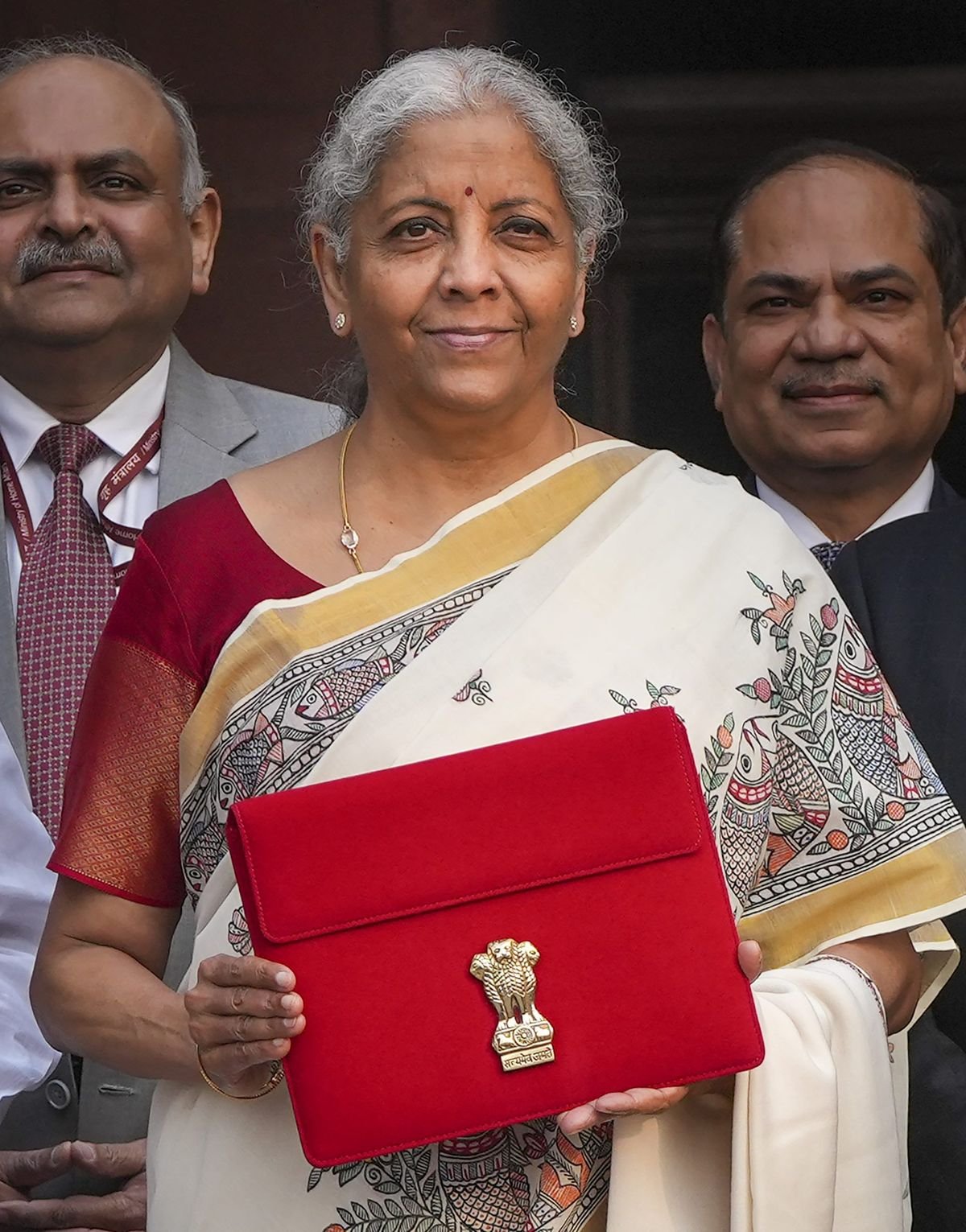
Welcome to our blog on Union Budget 2026–27, where we explain the key budget updates in a clear and simple manner. The Union Budget presents the Government of India’s roadmap for the upcoming financial year, focusing on economic growth, infrastructure development, and responsible fiscal planning.
This budget aims to simplify tax compliance, reduce the burden on individuals and businesses, and encourage investment across major sectors of the economy. Special attention has been given to MSMEs, startups, employment generation, digital initiatives, and ease of doing business.
Overall, the Union Budget 2026–27 seeks to balance growth with stability while addressing the practical concerns of taxpayers, professionals, and businesses.
Infrastructure & Growth
Tax Simplification
MSMEs & Employment
Overview of Union Budget FY 2026–27
The Union Budget FY 2026–27 is designed to maintain a careful balance between accelerating economic growth and ensuring long-term financial stability. A major focus of this budget is on higher capital expenditure to strengthen infrastructure such as roads, railways, logistics, and urban development, which plays a key role in driving economic activity and attracting private investment.
The government has also continued its push toward improving ease of doing business by simplifying regulatory processes, promoting digital systems, and creating a more supportive environment for businesses, especially MSMEs and startups.
In addition to growth-oriented measures, the budget places strong emphasis on tax simplification and targeted welfare initiatives. Efforts to streamline tax compliance aim to reduce complexity, improve transparency, and make the system more efficient for taxpayers and businesses.
Overall, the Union Budget FY 2026–27 follows a long-term and sustainable approach, focusing on job creation, economic resilience, and fiscal discipline to support steady and inclusive growth.
Major Announcements in Union Budget 2026–27
The Union Budget 2026–27 includes several important announcements that directly affect taxpayers, businesses, and the overall economy. The government has introduced changes in direct and indirect taxes to make compliance easier and reduce unnecessary complications.
A strong focus has been placed on higher spending for infrastructure such as roads, railways, housing, and digital connectivity, which is expected to boost growth and create more job opportunities. These measures reflect the government’s intention to support economic development while maintaining financial discipline.
The budget also brings positive news for businesses, especially MSMEs and startups, through simplified rules, improved access to credit, and supportive policy measures. Relief initiatives have been designed to benefit individuals and enterprises without putting pressure on fiscal stability.
Key Announcements at a Glance
- Easier tax rules to reduce compliance burden
- Improvements in indirect tax processes
- Increased spending on infrastructure projects
- Special support for MSMEs and startups
- Focus on stable and responsible financial management
Income Tax Changes for Individuals & Salaried Class
The Union Budget 2026–27 introduces meaningful changes for individual taxpayers and salaried employees by simplifying the income tax system and reducing compliance-related stress. The focus is on clarity, transparency, and ease of understanding for everyday taxpayers.
A key objective of the budget is to increase take-home income by restructuring income tax slabs, rebates, and exemptions. These changes allow taxpayers to save more while encouraging higher spending confidence.
The income tax return filing process has also been improved with better digital systems, ensuring faster processing and a smoother filing experience.
Key Highlights
| Area | Key Update |
|---|---|
| Income tax slabs | Simplified & clearer structure |
| Compliance | Less paperwork |
| Taxpayer benefit | Higher take-home income |
The Union Budget 2026–27 introduces several indirect tax updates aimed at making compliance easier and reducing disputes for businesses. The government has focused on simplifying GST procedures so that businesses can spend less time on paperwork and more time on operations.
The budget also brings selective changes in GST rates and customs duties to support domestic manufacturing and promote trade. Rationalized GST rates are expected to improve cash flow and reduce confusion.
Customs duty revisions encourage local production while improving import and export efficiency. Overall, these reforms strengthen ease of doing business and support Indian manufacturers.
Key Reforms for Businesses, MSMEs & Startups
The Union Budget 2026–27 introduces several significant reforms aimed at boosting businesses, MSMEs, and startups. These reforms focus on fostering entrepreneurship, innovation, and employment generation while simplifying regulatory compliance and improving access to finance.
Infrastructure development remains a major focus of the Union Budget 2026–27, as it plays a key role in driving economic growth and creating employment. The government has increased capital expenditure to accelerate infrastructure projects and strengthen the foundation of the economy.
Higher investment in infrastructure improves business activity, boosts demand in related industries, and generates employment at both skilled and unskilled levels across the country.
Priority has been given to sectors that directly impact connectivity, logistics, and urban living standards, ensuring long-term productivity and sustainable growth.
In the Union Budget 2026–27, the government has outlined a clear and disciplined financial roadmap aimed at supporting growth while maintaining long-term stability. The focus is on gradually reducing the fiscal deficit without affecting critical areas such as infrastructure, welfare schemes, and public services.
Government borrowings have been planned carefully to avoid unnecessary future financial pressure. The funds raised will be used mainly for productive investments, including infrastructure development and welfare programs that benefit citizens.
Overall, the budget promotes responsible spending by balancing development priorities with fiscal discipline, ensuring steady and sustainable economic progress.
Fiscal Deficit
Gradual & planned reductionGovernment Borrowings
Carefully structured & responsiblePublic Spending
Balanced focus on growth & welfare| Particular | Budget Approach |
|---|---|
| Fiscal deficit | Reduced gradually and in a planned way |
| Government borrowings | Carefully planned and responsible |
| Public spending | Balanced focus on development and welfare |
Relief Measures for Middle-Class & Senior Citizens
The Union Budget 2026–27 introduces several relief measures to support middle-class taxpayers and senior citizens by improving financial security and reducing compliance-related difficulties. The focus is on tax relief, simplified procedures, and better clarity for everyday taxpayers.
These initiatives aim to reduce the stress of tax-related formalities while ensuring transparency and smoother financial management for individuals and families.
Middle-Class Relief
Measures focused on tax simplification and procedural ease help middle-class taxpayers manage finances more comfortably, improve savings, and reduce compliance burden.
Senior Citizen Support
Simplified tax processes and targeted welfare benefits support senior citizens, especially those dependent on fixed incomes, making compliance easier and improving financial stability.
Benefits Announced for MSMEs & Small Businesses
The Union Budget 2026–27 offers wide-ranging support to MSMEs and small businesses to help them grow stronger, modernize operations, and remain competitive. These measures focus on reducing operational challenges and encouraging sustainable, long-term business growth.
Union Budget 2026–27
Expert Help • Clear Guidance • Smart DecisionsIf you need clear, reliable, and up-to-date information on Union Budget 2026–27, our experts are here to help. We break down complex tax changes and policy updates into easy-to-understand insights.
Whether you are a taxpayer, business owner, startup, or professional, Vakil Adda helps you understand how the latest budget announcements affect your finances and compliance.